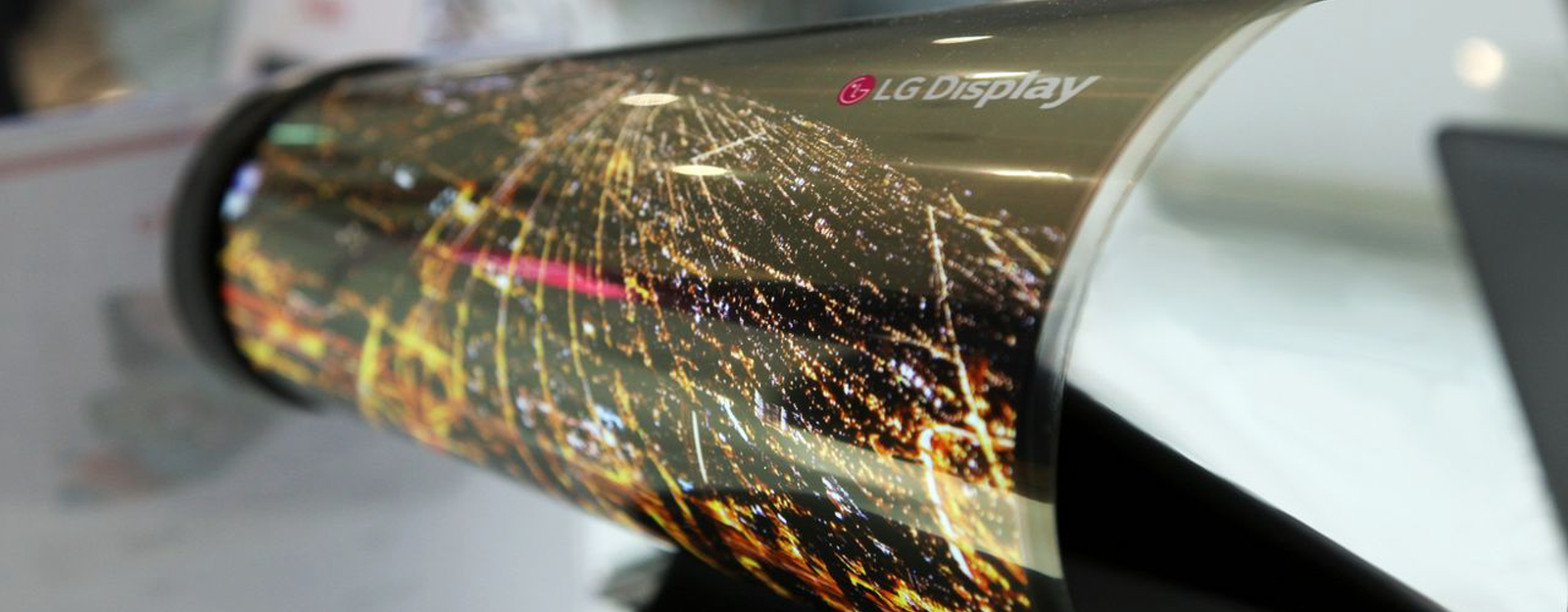
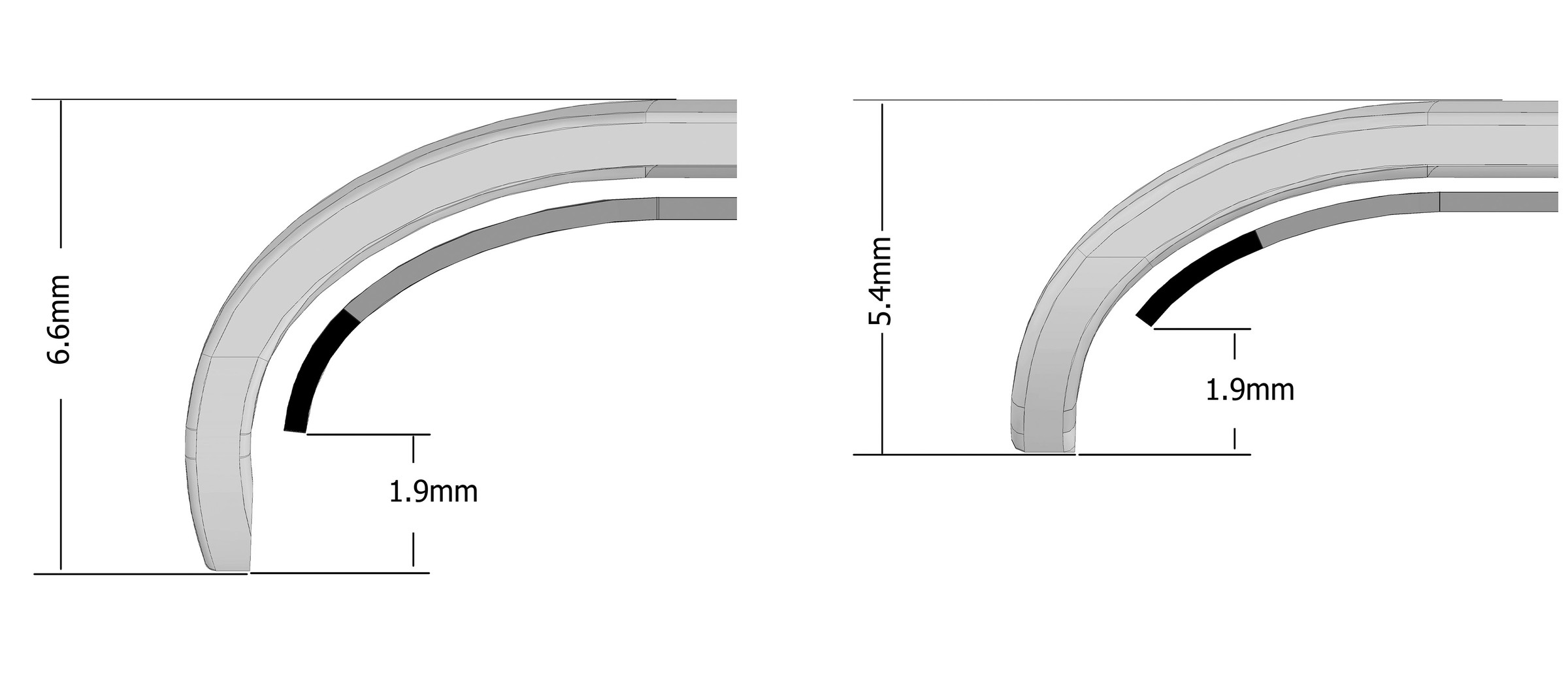
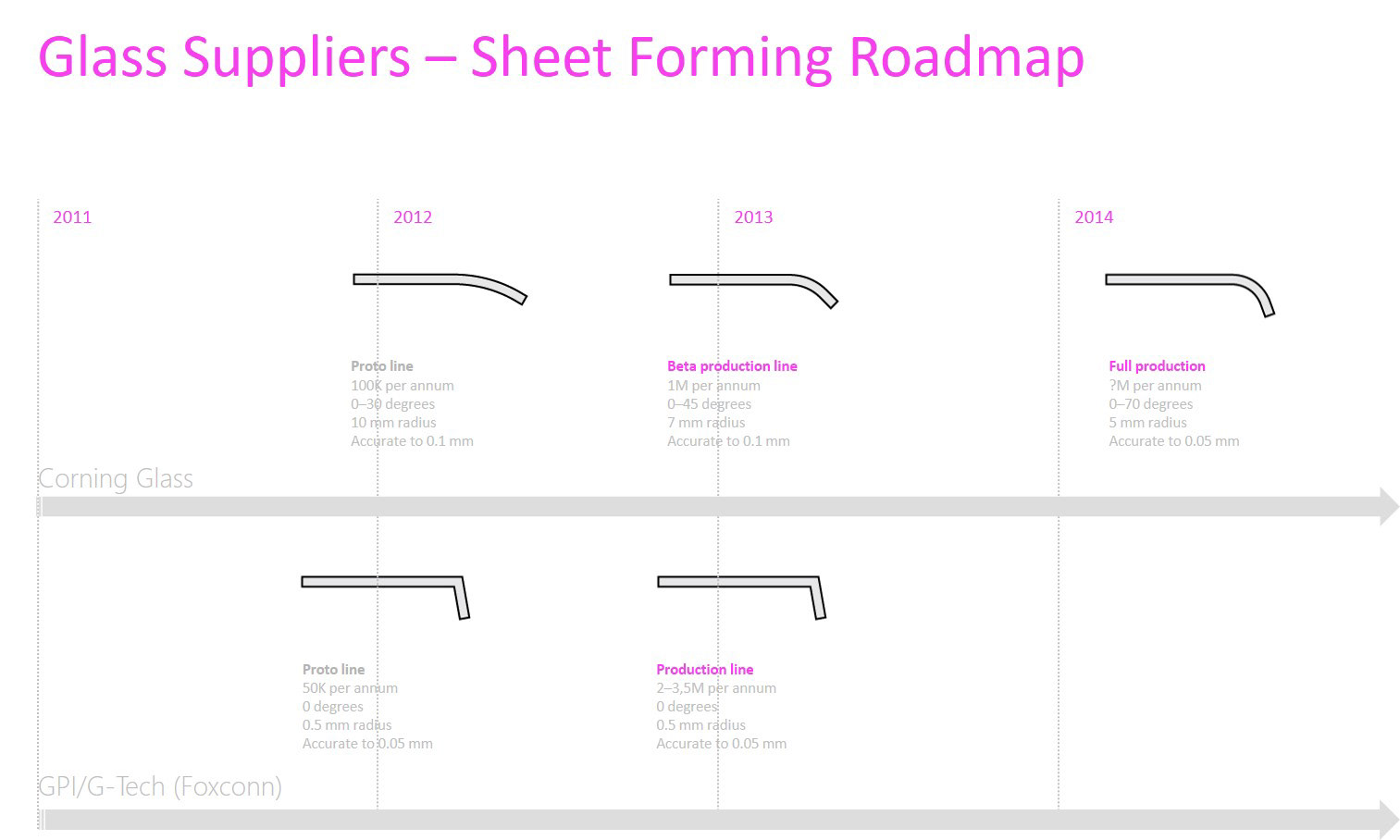
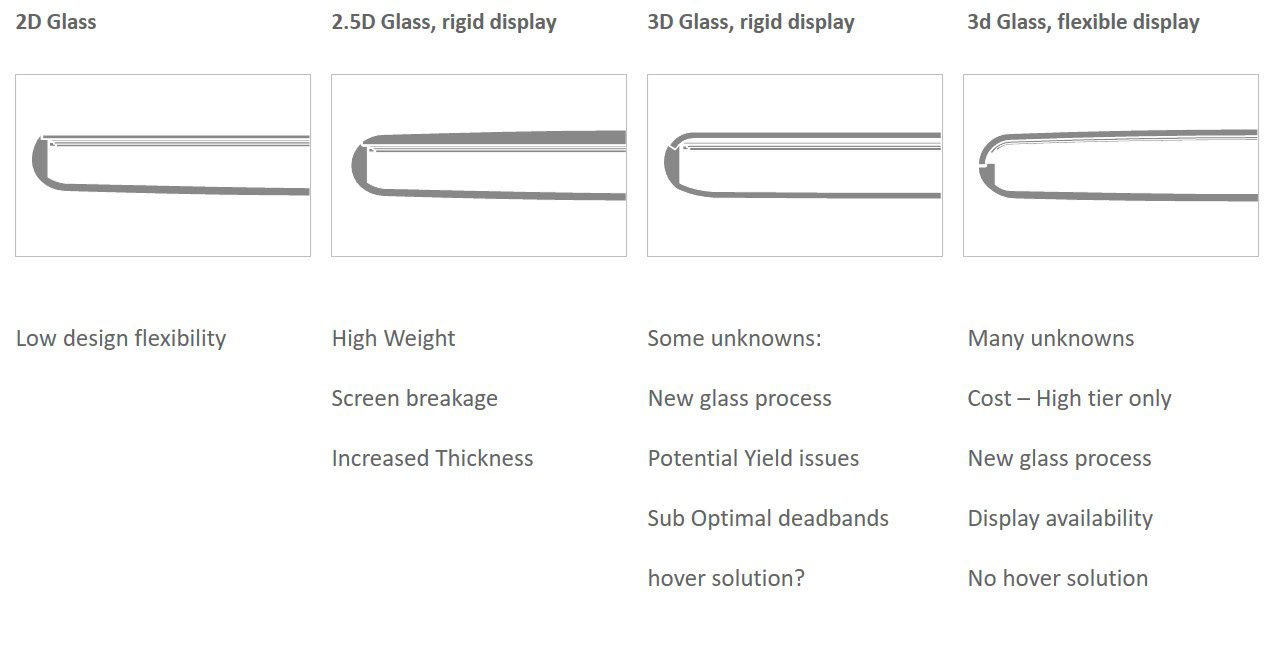
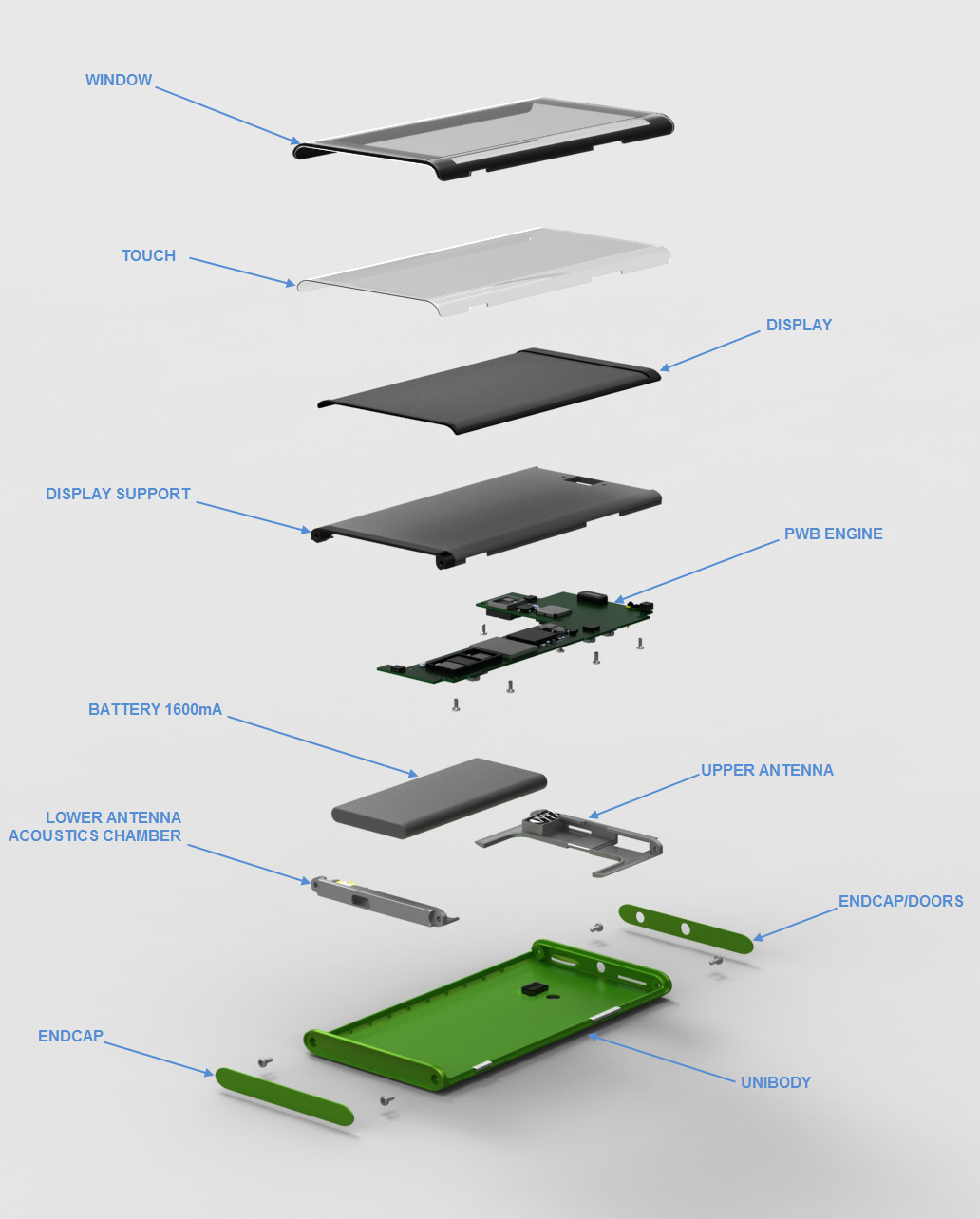
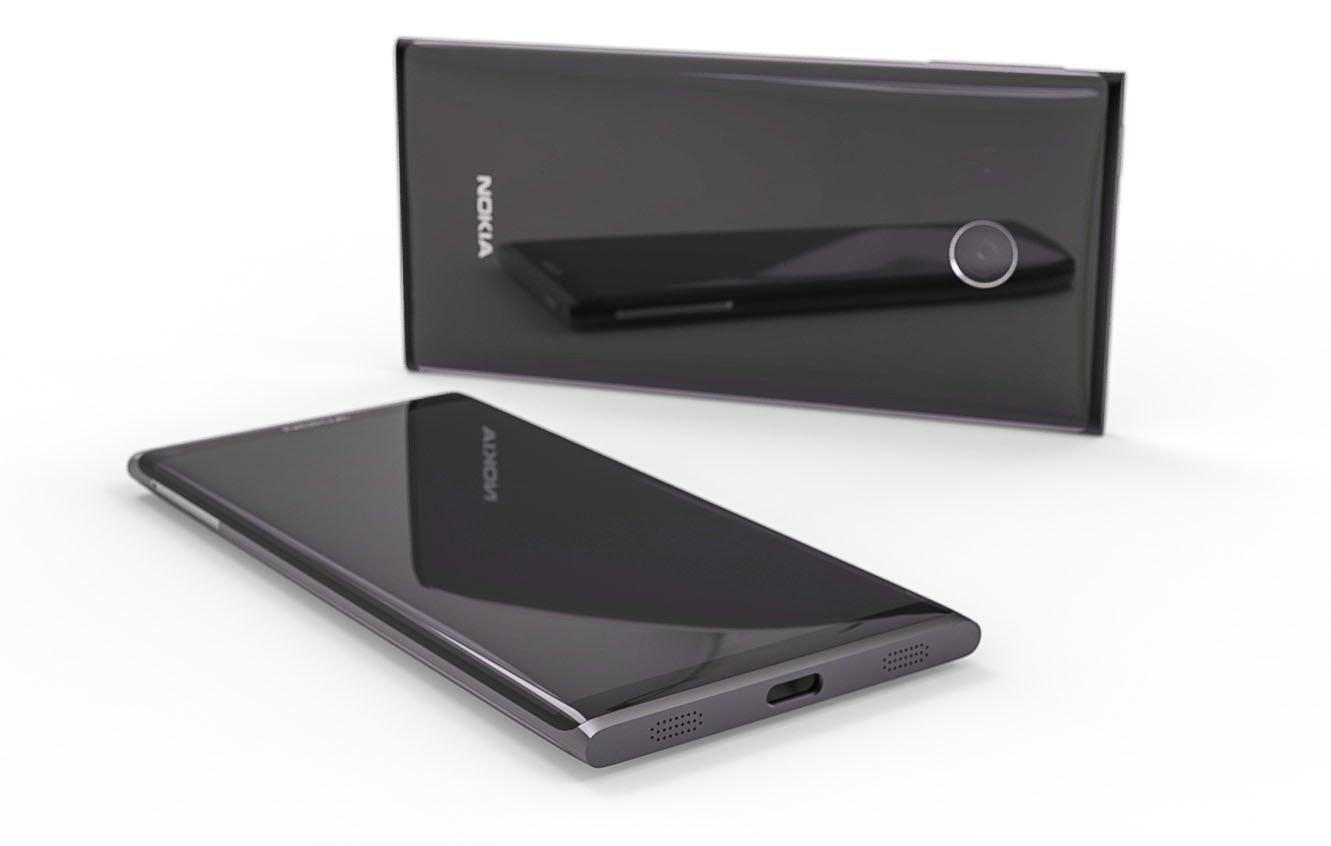
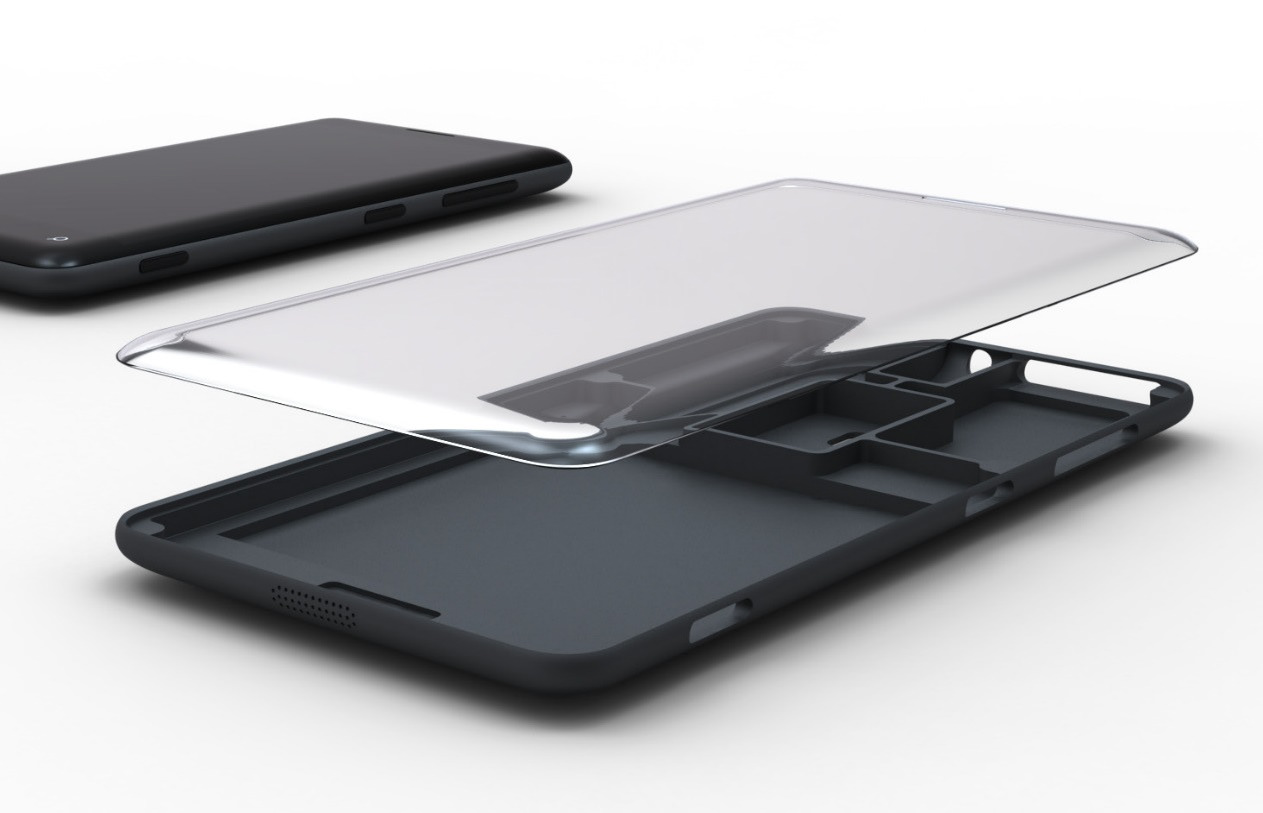
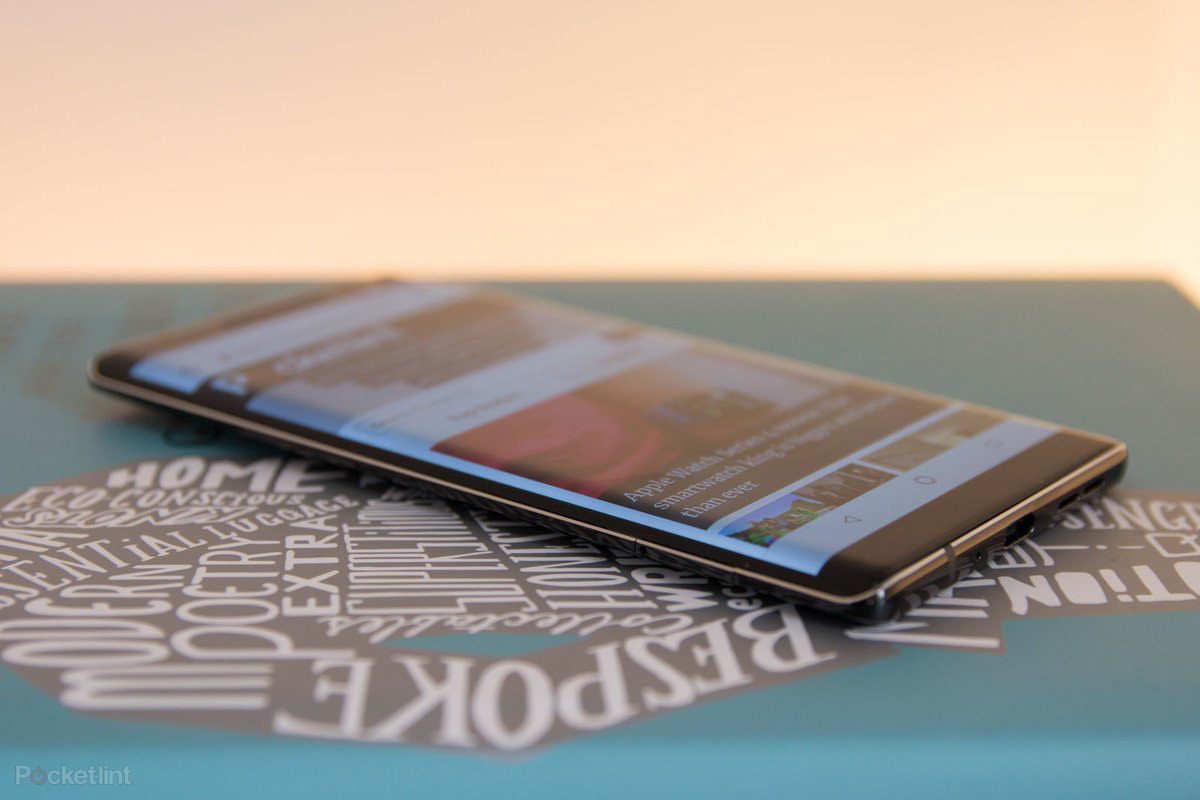
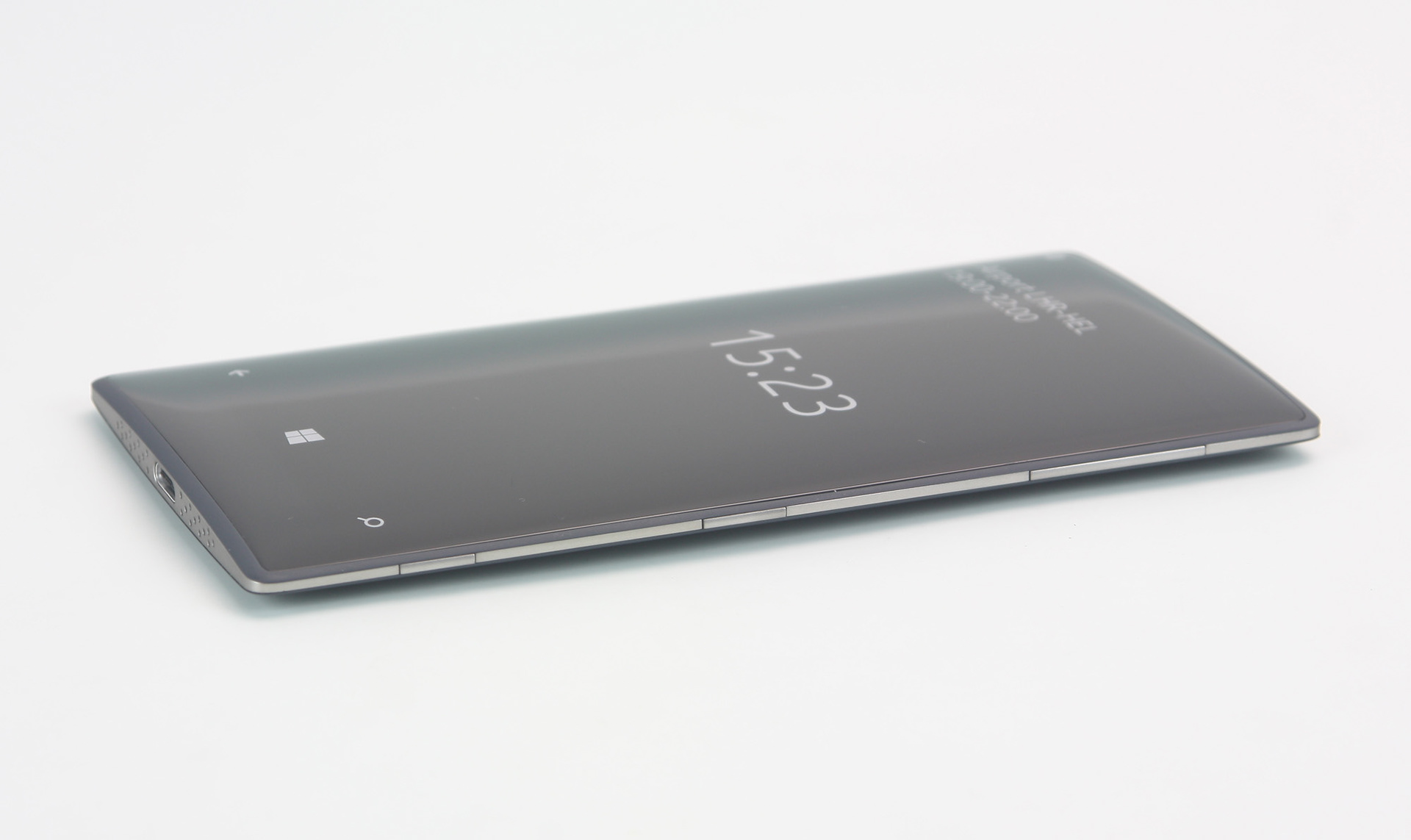
At nokia we frequently came a cross new technology solutions which offered interesting opportunities. Flexible display was presented to us in 2010 as a way of creating curved (banana) phones, however we werent convinced by the consumer benefit. We were however very aware of the drive to small deadbands, and saw this as a way to potentially giving a larger screen in a narrow device by bending the edges. We also felt it may offer more comfortable product and support the swipe action.To implement we quickly realised that it was more than the screen, and much of the phone needed to be reconsidered; 3d glass needed to be sourced, and this also was immature technology. There was also the touch integration, and lamination process of the window, screen and touch to be considered. With new technologies there was also cost, so we needed to understand how our investments could be used separately, without compounding risk. It quickly became apparent that varying levels of ambition were needed for the amount of bend on the displayWe worked closely with the hardware engineers to quickly develop a proto hardware proposal to test the principles, and create relevant geometry for understanding the process requirements.In parallel we refined the ID direction to define the longer term targets of the design, and set benchmarks for the technology requirements. Shown here is a study which used a metal chassis as the antenna; (a learning from a previous technology study.) and duplicated the 3d glass front and back allowing for volume benefits.We pushed the limits of the glass, to understand how the display and lamination processes would be affected. We also looked at alternate ways to make the chassis - in this case CNC from solid SRP, which is a self-reinforced polyphenylene material , with performance similar to aluminiumDue to organisation changes our product was delayed, and Samsung launched its Galaxy edge with the same appraoch. Our first product to do tihis was the Nokia 8 Sirocco in 2018I continued to push the opportunities for flexible displays, and saw the chance to use the shape to allow bigger volume in the center of a phone for cameras and batteries, whilst keeping the edges of the product astonishingly thin. I proposed the initial component architecture supporting the concept, and this remains a viable long term vision.